Whoa! Seriously, this is one of those features that quietly changes how you interact with DeFi. My first instinct was to shrug—another UI nicety, right? But then I watched a $2k swap almost fail because of a slipped slippage setting, and my whole take shifted. Initially I thought wallets just sign things; actually, wait—modern wallets are decision engines, and transaction simulation is the part that prevents dumb mistakes and subtle losses.
Okay, so check this out—transaction simulation isn’t just “preview gas” or “see the number.” It’s a mock execution of the exact transaction on a recent state, often using a forked block or a dry-run RPC, that surfaces reverts, front-running risk, and post-execution balances. My instinct said this would be overkill for casual users. On the other hand, institutional traders and power users treat simulation like mission control before liftoff. Something felt off about relying on heuristics alone; a simulated run shows the ledger-level truth.
Here’s what bugs me about naive wallet UX. Many wallets show gas estimates and nonce warnings but they don’t simulate contract logic, meaning you can still approve an unlimited allowance, call a function that reverts, or unknowingly trigger a liquidation—very very costly. I remember thinking, “There’s gotta be a better way,” and that led me into months of testing wallets that actually simulate transactions. The difference is night and day—when a wallet surfaces the actual revert reason or slippage outcome you avoid the hit.
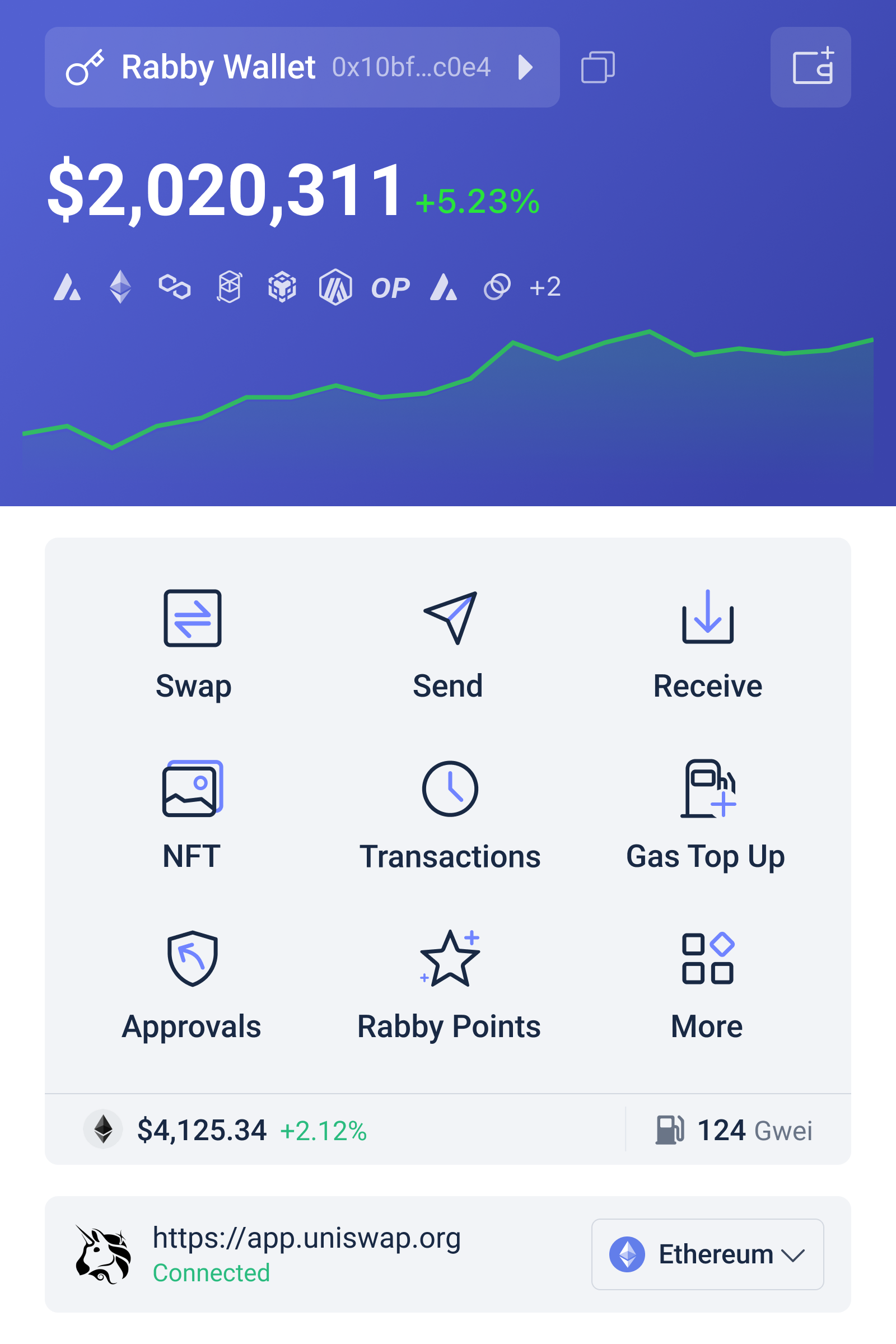
Rabby and Why Simulation Matters for Smart Users
I’ve been using rabby in my day-to-day and it nails the balance between power and clarity. Quick note: I’m biased toward tools that empower users without burying them in jargon. Rabby runs transaction simulations that show gas breakdowns, contract calls in order, and how each call affects token balances—so you see the aftermath before you sign. On the surface it feels like a dashboard; under the hood it’s a safety net that catches complex failure modes.
Short story: once, during a leveraged trade, the simulation flagged a hidden revert because an approval wasn’t yet confirmed—saved me from a mess. Hmm… that felt good. I could’ve lost a chunk of capital because the dApp UI reported success while the chain would have disagreed. So yes, a simulation is where the rubber meets the road.
Technically speaking, simulation uses state replication and RPC calls like eth_call (or a forked node) to execute the transactions without broadcasting them. This captures on-chain logic, including oracle reads and reentrancy checks, and shows internal transactions and event emissions. On one hand, this requires up-to-date state and reliable node providers; though actually, many wallets mitigate this by using curated node providers or local light clients. Initially I worried about node trust—then I realized sims are about reducing user risk, not creating perfect proofs.
There are gaps, admittedly. Simulations can’t always predict mempool dynamics, miner behavior, or sophisticated frontrunning strategies (those depend on ordering not visible in a dry-run). I’m not 100% sure the average user needs to know all that, but power users and builders absolutely do. Still, a simulation that surfaces a revert or balance delta prevents the most common, costly mistakes.
Another thing: risk assessment layers on top of simulation. A wallet should translate raw simulation output into digestible risk signals. For example, flagging when a transaction relies on a price oracle update, or when a contract will pull an unlimited token allowance. On paper that sounds simple. In practice, it’s a mix of heuristics, signatures, and sometimes manual rules maintained by the wallet team. It ain’t perfect, but it’s better than silence.
Here’s a practical taxonomy I use when evaluating wallets: simulation accuracy, UX clarity, risk signals, and remediation options. The first three tell you whether the wallet can detect probable failure modes. The last one—remediation—means the wallet gives you actions: cancel, adjust slippage, break a multi-call into steps, or roll back an approval. Rabby provides these kinds of affordances, which is why I keep it in my rotation.
Okay, quick aside (oh, and by the way…)—security isn’t only about not getting hacked. It’s also about not making bad decisions. Wallets that nudge users away from dangerous defaults do more good than 100 tiny security features that nobody understands. My gut says wallets should bias toward safe defaults while letting pros opt into complexity. That balance is messy, though, and opinions vary.
From a developer perspective, transaction simulation is also a debugging win. When your dApp behaves differently in production, a simulated failing transaction can reveal incorrect assumptions about contract state or edge-case logic. This is why many teams integrate simulation into CI pipelines or pre-flight checks. Initially I thought only frontends needed logs; now I push simulations into automated tests because contracts interact with a noisy world.
Let’s talk about UX specifics briefly. A good simulation flow: highlight revert reasons in plain language, show token balance deltas, visualize internal calls, and offer remediation buttons that are actionable. Long text dumps are for auditors; everyday users need succinct signals and clear next steps. The wallet should ask, “Do you want to proceed?” not “Proceed at your own risk.” I’m biased, but clarity reduces costly errors.
There’s also an educational angle. Simulations can teach users about reentrancy, or how approvals work, by surfacing examples from their own transactions. This is subtle but powerful—seeing how a call affects a balance makes abstract concepts concrete. People learn by doing, and a simulated sandbox is a low-stakes way to learn.
Now, look—I’m not saying simulation is a panacea. It won’t stop every exploit or predict every MEV sandwich. It will, however, stop lots of human error, and it surfaces contract behavior in ways that conventional gas estimates never will. If you’re a regular DeFi user, prioritize wallets that simulate and explain. If you build dApps, integrate sim checks into your flows and tests.
Common Questions
What exactly does a transaction simulation show?
It runs the transaction against a recent chain state and reports reverts, internal calls, balance changes, event logs, and gas consumption—basically, the expected outcome without sending anything.
Can a simulation predict front-running or MEV?
Not reliably. Simulations show deterministic logic for a given state, but they can’t forecast mempool order or adversarial MEV strategies; they help with contract-level risk, not market-level ordering.
Is simulation slow or resource-intensive?
It depends. Local or forked simulations are fast but require node resources. Wallets often use curated RPCs or backend services to keep latency low while keeping results accurate.